

How to Cool an Unattended Edge Data Center with Liquid Cooling

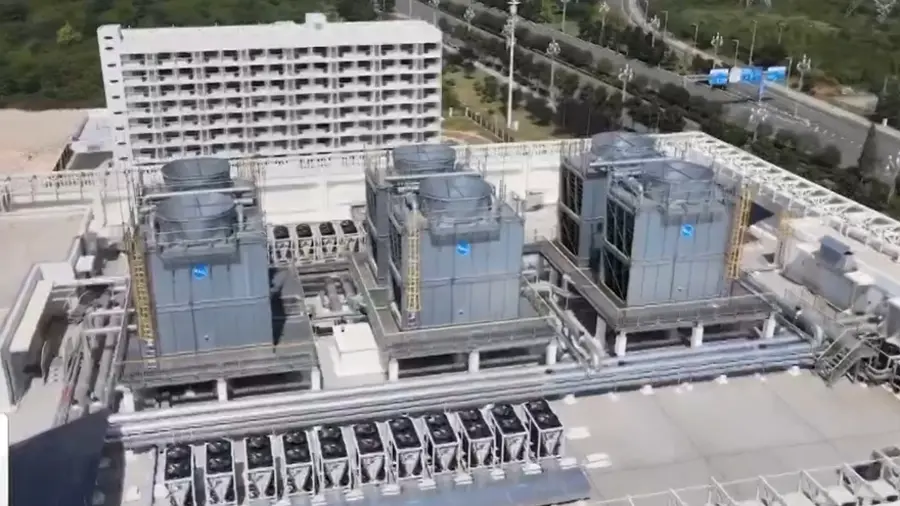
For an edge data centre, the cooling system is not only a piece of thermal equipment. It is part of the site operation model.
Many edge computing sites are located in industrial parks, energy sites, mining areas, telecom nodes, temporary computing locations or outdoor container yards. These sites may not have a full-time operation team. Some locations have limited water supply, dusty air, unstable weather, long maintenance distance or strict deployment schedules. In these projects, edge data centre cooling must be designed for remote operation from the beginning.
At XINKE LCS, we design and manufacture liquid cooling systems, liquid-cooled micro modules, computing power containers, CDUs, dry coolers and intelligent control systems for high-density computing projects. From our project experience, the biggest risk in an unattended site is not only insufficient cooling capacity. The bigger risk is that the system cannot identify, isolate and report a fault before it affects the computing load.
That is why we treat unattended data centre cooling as a complete system design: heat capture, CDU selection, outdoor heat rejection, power distribution, monitoring, alarms, redundancy and maintenance access must be considered together.
Why Unattended Edge Sites Cannot Use a Standard Cooling Layout
A conventional data centre usually has operation staff, regular inspection, building-level infrastructure and established maintenance procedures. An unattended edge site is different. The cooling system may need to run for long periods with only remote supervision.
In real projects, we pay close attention to several questions before selecting equipment:
- Can the site operate safely if no technician is present for several days?
- Can the control system detect abnormal temperature, pressure, flow or leakage early?
- Can alarms be sent to the remote operation team through clear channels?
- Can one fan, pump or cooling train be maintained without stopping the whole site?
- Can the cooling system adapt to partial load and future expansion?
- Can the outdoor equipment handle local dust, heat, cold, wind or water limitations?
For this reason, an edge cooling solution should not be selected only by a nominal kW rating. A 1 MW system in a mild city, a 1 MW system in a desert site and a 1 MW outdoor container project in a cold region may require very different cooling layouts.
Start From the Heat Path, Not From the Product Name
In our engineering work, we first define the complete heat path. For a liquid-cooled edge data centre, the path usually looks like this:
Server or miner heat → cold plate → primary coolant loop → CDU → facility water loop → dry cooler / cooling tower / integrated cooling station → outdoor air
This is important because each part of the chain affects the next one. If the CDU approach temperature is too high, the outdoor cooling source may need to work harder. If the facility water temperature is set too low, dry cooling may become difficult in hot weather. If the outdoor loop requires glycol, pump selection and pressure drop also change.
For high-density AI, HPC or blockchain computing projects, we normally separate the heat into two parts:
- Liquid-side heat: processor or ASIC heat captured by cold plates and transferred to the coolant loop;
- Residual air-side heat: power supply, network equipment, storage, cabling area and other cabinet heat that still needs controlled airflow.
This is why our Data Center Liquid-Cooled Micro Module combines liquid cooling with sealed hot/cold aisle management, power distribution, monitoring, fire protection and cabling. For small computer rooms and edge nodes, it is not enough to cool only the chips. The full cabinet environment must remain stable.
Liquid Cooling Micro Modules for Small Edge Sites
For smaller edge nodes, a liquid-cooled micro module is often more practical than building a traditional computer room on site. The module integrates racks, power distribution, cooling, management, lightning protection, cabling and fire protection into one standardized system.
From a project execution point of view, this reduces three common risks:
- Different contractors installing separate subsystems without unified commissioning;
- Long on-site installation work in a location that has limited technical support;
- Inconsistent monitoring between power, cooling and environmental systems.
For unattended operation, the module should be factory-tested as a complete unit before delivery. We check cooling response, alarm logic, sensor feedback, power distribution status and remote monitoring interface before the system is shipped. This is especially useful when the site is far from the main operation team.
Liquid-Cooled Containers for Fast Outdoor Deployment
For larger edge computing, mining or temporary computing projects, a containerized liquid cooling system can shorten deployment time and reduce civil construction work.
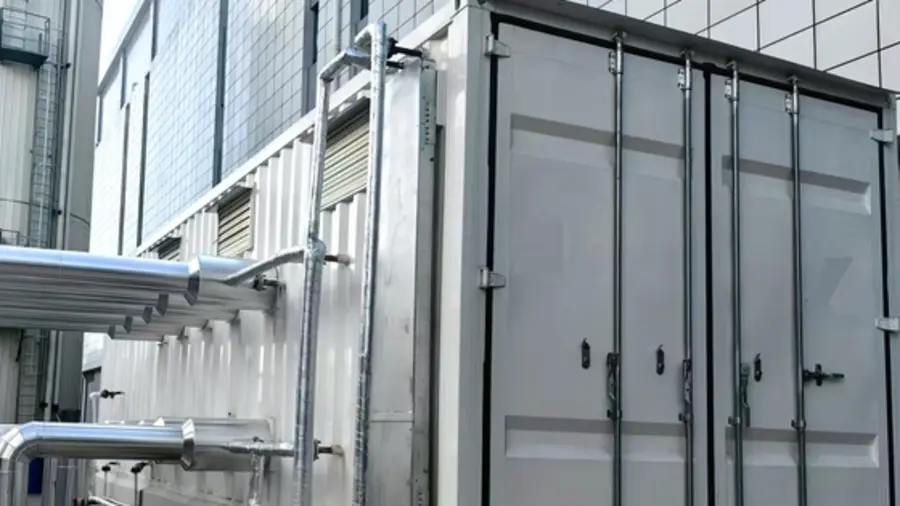
XINKE’s Data Center Computing Power Container integrates liquid-cooled cabinets, CDU, power distribution, cooling, fire protection and intelligent management into a containerized platform. For outdoor projects, the container structure can be customized according to the local climate, installation space, power supply and equipment model.
In previous remote computing projects, we have seen that the container itself is only one part of the solution. The real design work is in the connection between the container and the cooling source:
- How far is the dry cooler from the container?
- What is the pressure drop of the outdoor piping?
- Does the site need glycol protection in winter?
- Will hot discharge air recirculate back into the dry cooler?
- Can the container maintain safe operation if one fan group or pump fails?
- Can the remote team see temperature, flow, leakage and power data in one system?
These questions should be answered before production, not after installation.
Dry Coolers Are Often the First Choice for Remote Sites
Many unattended edge sites do not have reliable water supply or regular water-treatment maintenance. In these cases, a dry cooler is often a better heat rejection method than a traditional evaporative cooling system.
A dry cooler transfers heat from a closed liquid loop to outdoor air through finned coils and fans. During normal dry operation, it does not need continuous make-up water, evaporation control or blowdown discharge. This makes it suitable for water-scarce, dusty or remote locations.
XINKE’s Dry Cooling Tower for Data Center Liquid Cooling is designed for liquid-cooled data centres and high-density computing systems. The platform can be customized by cooling capacity, fan quantity, coil area, piping interface, control logic and outdoor protection requirements.
For unattended sites, we normally check the following points before selecting a dry cooler:
| Design Item | Why It Matters for Unattended Sites |
|---|---|
| Design heat load | The dry cooler must reject the real facility-side heat load, not only the IT nameplate rating. |
| Outdoor design temperature | Hot-weather performance depends on the temperature difference between coolant and ambient air. |
| Coolant temperature | Warm-water liquid cooling makes dry cooling more practical, but the supply and return temperatures must be confirmed. |
| Fan redundancy | N+1 fan groups can keep the system operating after a single fan failure. |
| Coil cleaning access | Dust and sand reduce heat exchange performance if the coil cannot be inspected and cleaned. |
| Winter protection | Cold climates may require glycol, low-temperature start logic and freeze protection. |
| Remote control | The system should report fan status, temperature, alarms and energy data to the remote platform. |
For the calculation process, the project team can also refer to our guide on how to size a dry cooler for a liquid-cooled data center.
Remote Monitoring Must Control More Than Temperature
For unattended operation, temperature monitoring alone is not enough. A remote site needs to show whether the cooling system is healthy, not only whether the current temperature is acceptable.
In our liquid cooling projects, the monitoring system normally covers:
- Primary and secondary loop supply/return temperature;
- Coolant flow rate and differential pressure;
- Pump running status and fault status;
- Dry cooler fan speed and fan fault alarms;
- Cabinet or container temperature and humidity;
- Leak detection signal;
- Power distribution status;
- Cooling energy consumption;
- Communication status with the upper-level platform.
XINKE SMART is used to connect cooling, power and environmental data into an intelligent management platform. For edge projects, this allows the operation team to monitor the site remotely, receive alarm information and review historical data. Standard communication options such as Modbus can also help connect the cooling system with the customer’s existing management platform.
Good alarm logic should not only say “temperature is high.” It should help the operator understand the likely reason. For example, a high coolant temperature combined with low flow may point to pump or valve issues. A high return temperature with normal flow may indicate increased IT load. A fan fault alarm from the dry cooler should identify the affected fan group so the maintenance team can prepare the correct parts.
Redundancy Should Match the Failure Scenario
In many quotations, redundancy is described too simply. For an unattended site, redundancy must be defined by the failure scenario.
There are several levels:
- Fan redundancy: one fan fails, the dry cooler still keeps partial or full heat rejection capacity;
- Pump redundancy: one pump fails, the coolant loop continues to circulate;
- CDU redundancy: one CDU or cooling train can be isolated for service;
- Power redundancy: critical cooling and control systems have reliable power input;
- Control redundancy: local protection remains active even if remote communication is interrupted;
- Unit redundancy: one complete outdoor cooling unit can be maintained while the remaining units support the required load.
For example, a dry cooler with N+1 fans is useful, but it is not the same as N+1 complete dry cooler units. If the project requires full-load operation during complete-unit maintenance, the redundancy design must be calculated separately.
In edge data centre projects, we usually recommend defining three operating modes:
| Operating Mode | Cooling Design Requirement |
|---|---|
| Normal operation | Cooling system operates at high efficiency under actual IT load. |
| Peak ambient operation | Cooling source supports the required load at the hottest local design condition. |
| Fault or maintenance operation | The system maintains agreed safe capacity after one defined component or cooling train is unavailable. |
Project Experience: What Usually Causes Problems at Remote Sites
From our experience with modular liquid cooling and outdoor computing projects, most cooling problems are not caused by one isolated equipment failure. They often come from incomplete early-stage design.
The common issues include:
- Only nominal cooling capacity is compared. The quotation does not state outdoor design temperature, coolant temperature, flow rate or glycol concentration.
- The dry cooler layout is too crowded. Hot discharge air returns to the coil and reduces real cooling capacity.
- Water availability is overestimated. The site chooses an evaporative solution but later cannot support water treatment or make-up water.
- Residual air heat is ignored. The liquid loop removes chip heat, but cabinet air temperature still rises because power supplies and network equipment are not handled properly.
- Alarm logic is too simple. The remote team sees a fault but does not know whether it is a sensor problem, pump issue, fan fault or load change.
- Maintenance access is not planned. Coils, pumps or filters cannot be inspected safely after installation.
These issues can be reduced if the cooling supplier joins the project before the final site layout is fixed. For XINKE projects, we prefer to review IT load, site climate, utility conditions, container layout, piping route and operation mode together before final equipment selection.
What Information We Need Before Designing an Unattended Cooling System
To prepare a reliable edge cooling proposal, the RFQ should include more than the required capacity. The following information helps us design the system correctly:
| Information Needed | Recommended Details |
|---|---|
| IT equipment | Server, GPU, ASIC or mixed equipment model; quantity; power per unit. |
| Heat load | Current load, peak load and future expansion plan. |
| Cooling architecture | Cold plate liquid cooling, residual air cooling, CDU type and loop separation. |
| Site location | City, country, altitude, summer design temperature and winter minimum temperature. |
| Water condition | Water availability, water quality, water cost and discharge limitations. |
| Power condition | Voltage, frequency, available power and backup power requirement. |
| Operation model | Unattended interval, remote monitoring platform, alarm method and local service access. |
| Reliability requirement | Required load during fan, pump, CDU or outdoor unit failure. |
How XINKE Supports Edge Data Centre Cooling Projects
XINKE LCS provides liquid cooling equipment and project support for AI computing, HPC, blockchain and modular edge computing applications. Depending on the project requirements, the solution may include liquid-cooled cabinets, CDUs, dry coolers, integrated cooling stations, micro modules, computing power containers and XINKE SMART intelligent management.
Our full lifecycle service covers system design, equipment customization, factory production, commissioning support, operation guidance and after-sales service. For unattended sites, this process is especially important because problems must be solved in the design and commissioning stage instead of relying on daily manual inspection.
If you are planning an edge data centre, remote computing container or unattended liquid cooling site, the best starting point is not a product list. Send the IT load, site climate, water condition, deployment format and operation requirements first. We can then help evaluate the cooling architecture, heat rejection method, redundancy level and remote monitoring design.
FAQ: Edge Data Centre Cooling for Unattended Sites
What cooling system is suitable for an unattended edge data centre?
A liquid cooling system with CDU, remote monitoring, dry cooler or integrated cooling station is often suitable for high-density unattended edge sites. The final design depends on IT load, ambient temperature, water availability, redundancy requirement and maintenance access.
Is a dry cooler better than a cooling tower for remote edge sites?
A dry cooler is usually easier to operate in remote or water-scarce sites because it does not need continuous make-up water during normal dry operation. A closed cooling tower may be suitable when water supply, treatment and maintenance are reliable.
Can a liquid-cooled container run without on-site staff?
Yes, but only if the system is designed with remote monitoring, automatic protection, clear alarm logic, proper redundancy and planned maintenance access. The container, CDU, dry cooler, power distribution and control system must be commissioned as one complete system.
What should be monitored in an unattended cooling system?
The system should monitor coolant temperature, flow, pressure, pump status, fan status, leak detection, cabinet temperature, humidity, power status, energy consumption and communication status. Historical data is also useful for maintenance planning.
What information is needed for XINKE to design an edge cooling solution?
We need the IT equipment load, site location, ambient temperature range, cooling temperature requirement, water condition, power condition, deployment format and required redundancy level. With these inputs, we can recommend the appropriate liquid cooling architecture and heat rejection method.