Putting Computing Power into a Container: A More Efficient Way to Deploy with the XINKE LCS SPACE M2

As digital infrastructure continues to evolve, traditional equipment room construction is becoming less suitable for high-density computing applications that demand faster deployment, easier expansion, and more predictable operations. In mining, edge computing, temporary energy-based projects, and overseas deployments, buyers are no longer focused only on whether a site can hold the equipment. What matters more is whether the solution can be delivered quickly, run reliably, and remain manageable over time.
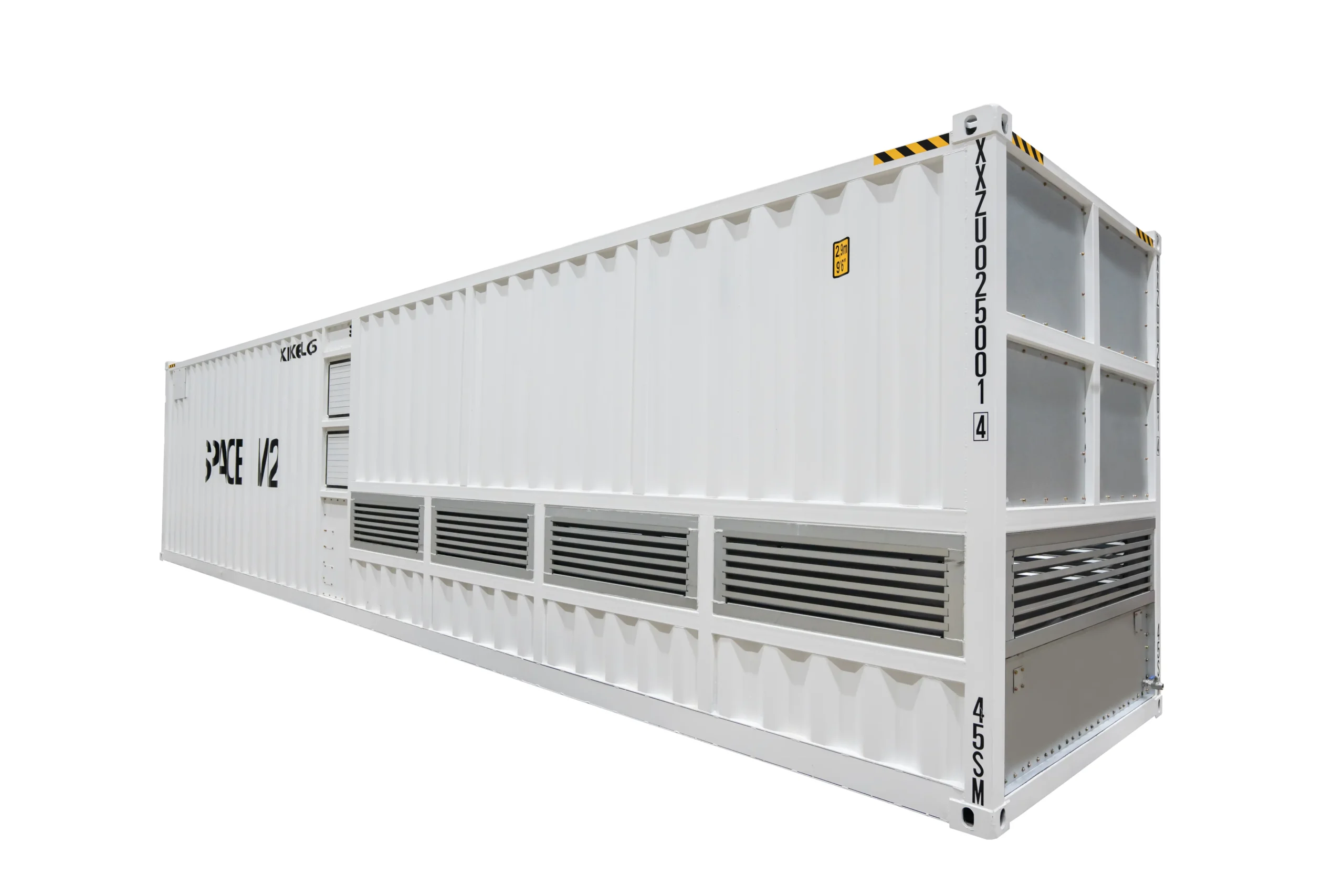
The XINKE LCS SPACE M2 containerized mining farm is designed around that shift in demand. By integrating container structure, equipment layout, ventilation systems, and maintenance access into one modular unit, it provides a more practical approach for high-density mining and computing deployments without relying on long construction cycles or complex traditional data room preparation.
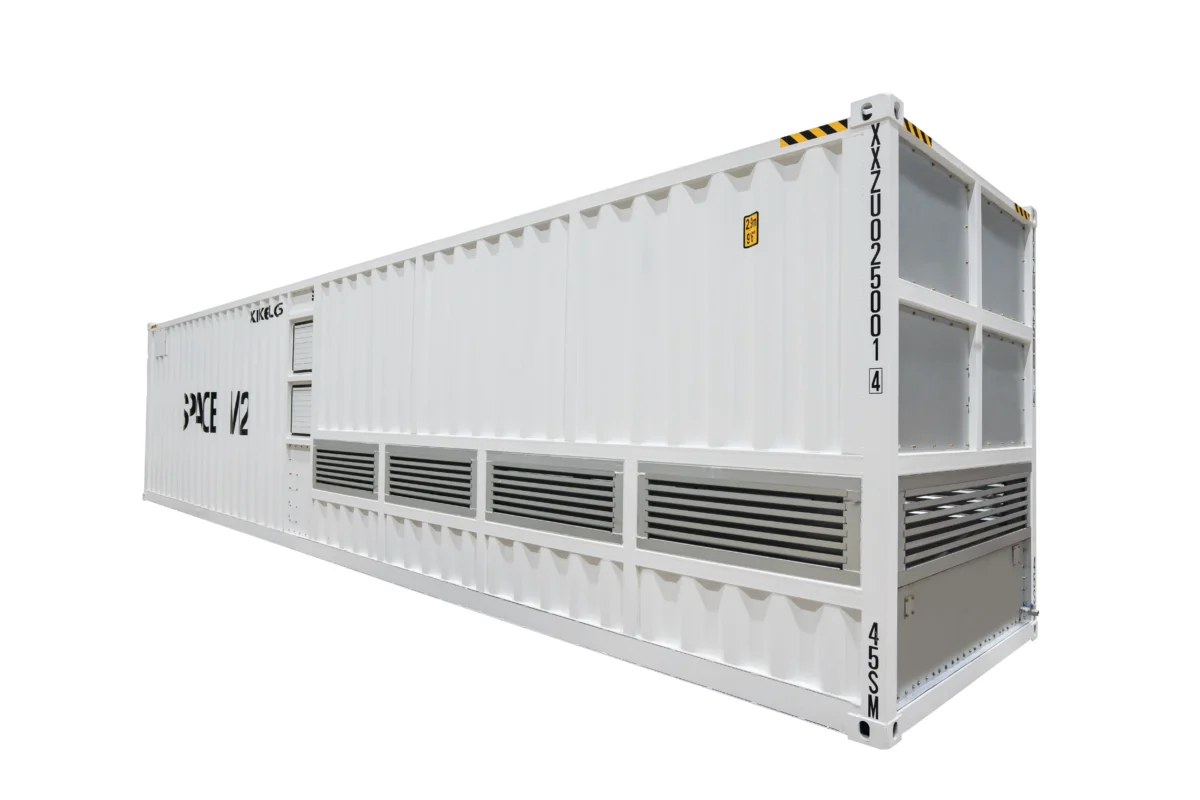
From the outside, the SPACE M2 keeps the structural advantages of a standard container-based design. The enclosure is built in a clean, industrial format that is easier to transport, lift, position, and integrate into project sites. For project owners and operators, the value of this type of modular solution goes beyond simple mobility. It helps reduce uncertainty during the early stages of deployment. Compared with fixed infrastructure that often requires civil work, phased installation, and extended coordination, a containerized mining farm is better suited to projects that need faster commissioning, flexible relocation, or phased expansion.
In mining and high-load computing applications, the quality of the internal operating environment often matters more than the box itself. A container solution is only useful when it has been planned around real operating conditions, including airflow management, heat dissipation, equipment spacing, cable routing, and service access. That is where a purpose-built container mining farm creates real value. Instead of treating the container as a simple outer shell, the SPACE M2 is positioned as an integrated deployment platform that supports more orderly equipment installation and more efficient long-term operation.
This matters especially in projects where equipment density continues to increase. As more operators pursue higher capacity in limited space, thermal control and layout logic become more critical. A well-designed containerized mining farm can help improve space utilization while supporting more stable working conditions for mining hardware. For customers evaluating long-term operational efficiency, that combination is often more important than a low initial build cost alone.
Another advantage of the SPACE M2 is the way it aligns with modern project delivery expectations. Many buyers today are not looking for a purely standardized box with no room for adjustment. They need a solution that can match local power conditions, environmental requirements, maintenance preferences, and equipment configurations. A container-based deployment model provides that flexibility more naturally than conventional building-based installations. It can be adapted for different project scales and site conditions while still keeping the advantages of prefabricated delivery.
For overseas buyers in particular, modular deployment also helps simplify logistics and planning. A container mining farm can be prepared before shipment, reducing the amount of on-site assembly work after arrival. This is especially valuable in remote areas, energy projects, and locations where local installation resources are limited. A faster route from delivery to operation often means a faster return on infrastructure investment.
Beyond speed, there is also a practical branding and project presentation advantage. Equipment housed in a dedicated industrial enclosure creates a more organized and professional appearance than ad hoc installation environments. For operators working with partners, investors, or site owners, a structured and purpose-built system can improve the overall impression of project readiness and operational control.
The XINKE LCS SPACE M2 reflects a broader industry direction: moving from fixed, heavy infrastructure toward more modular and deployable computing environments. As mining and digital infrastructure projects continue to expand into new regions and new energy scenarios, containerized mining farm solutions are becoming a more realistic option for buyers who need both speed and operational consistency.
For companies planning new deployments, expansion phases, or mobile infrastructure projects, a well-structured container solution is no longer just an alternative to a building. In many cases, it is the more efficient starting point.