

Computing Power Container: A Practical Infrastructure Option for Modern High-Density Deployment

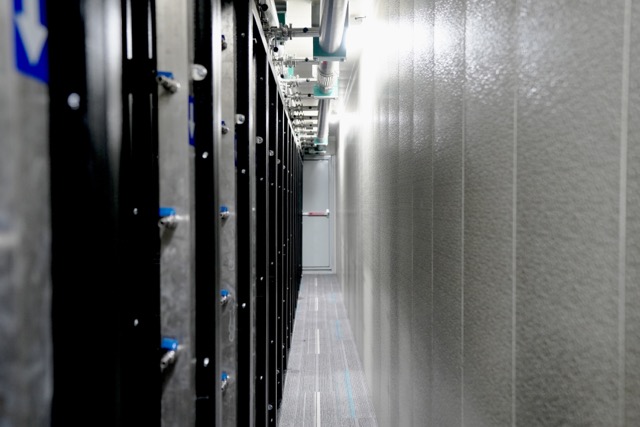
As demand for digital infrastructure continues to grow, many operators are rethinking how computing capacity should be deployed. Traditional facility construction still works in some cases, but it often comes with longer lead times, higher site preparation requirements, and less flexibility once the system is in place. For projects that need faster rollout and more modular expansion, the Computing Power Container has become a more practical infrastructure model.
A Computing Power Container is more than a standard container filled with equipment. It is a purpose-built deployment unit designed to support high-density computing environments in a more controlled and organized way. By integrating structural enclosure, internal equipment layout, thermal management, cable routing, and maintenance access into one system, it helps simplify the path from project planning to live operation.
One of the main strengths of this approach is deployment efficiency. In many projects, time is not just a scheduling concern. It directly affects investment recovery, capacity planning, and market response. A Computing Power Container allows much of the integration work to be completed before shipment, which reduces the amount of on-site construction and shortens the commissioning cycle. For buyers working under strict timelines, that can be a major advantage.
The internal structure also plays an important role. In high-load environments, equipment density must be balanced with accessibility and thermal stability. A well-designed Computing Power Container is built around that logic. Rather than leaving the interior as an empty shell, the space is planned to support orderly equipment arrangement, service pathways, and consistent operational flow. This makes the container more suitable for long-term use, not just fast installation.
For projects in remote areas, energy stations, industrial zones, or temporary expansion sites, the value becomes even clearer. Building a conventional computing room in these environments may involve added complexity in construction, coordination, and local labor. A modular containerized solution reduces much of that burden. It can be delivered as a more complete infrastructure unit, allowing operators to focus more on power connection, system integration, and operational readiness.
Another reason buyers are paying more attention to Computing Power Container solutions is flexibility. Not every project follows the same growth path. Some start with a limited deployment and expand in phases. Others require mobility because the infrastructure may need to be relocated or reconfigured as the project develops. Compared with fixed buildings, a containerized system gives project owners more room to adapt without starting from zero each time expansion plans change.
From an operational perspective, standardization also matters. A more consistent container-based design can help improve planning, simplify duplication across multiple sites, and make large-scale deployment easier to manage. For operators running more than one location, repeatable infrastructure formats can reduce coordination difficulty and improve project consistency.
The growing interest in Computing Power Container solutions also reflects a broader change in infrastructure thinking. Companies are increasingly looking for systems that are not only technically functional, but also easier to scale, deliver, and maintain. The focus is shifting from permanent heavy construction toward modular infrastructure that can move faster with project demand.
This does not mean every deployment should replace traditional buildings. But for many high-density and fast-moving computing projects, containerized infrastructure offers a more efficient starting point. It supports a cleaner deployment process, better site adaptability, and a clearer path for staged expansion.
A well-planned Computing Power Container is therefore not just a product. It is a deployment strategy that fits the pace and flexibility requirements of modern digital infrastructure.
If you are planning a computing power deployment project, XINKE LCS can provide a containerized solution based on your equipment load, site conditions, and expansion requirements.