

Data Center Integrated Cooling Station: A More Efficient Way to Support High-Density Infrastructure

As data center power density continues to rise, cooling is no longer treated as a supporting system in the background. It has become one of the key factors that directly affects energy efficiency, operating stability, and long-term infrastructure cost. For operators planning new facilities or upgrading existing capacity, the quality of the cooling system can have a major impact on overall data center performance.
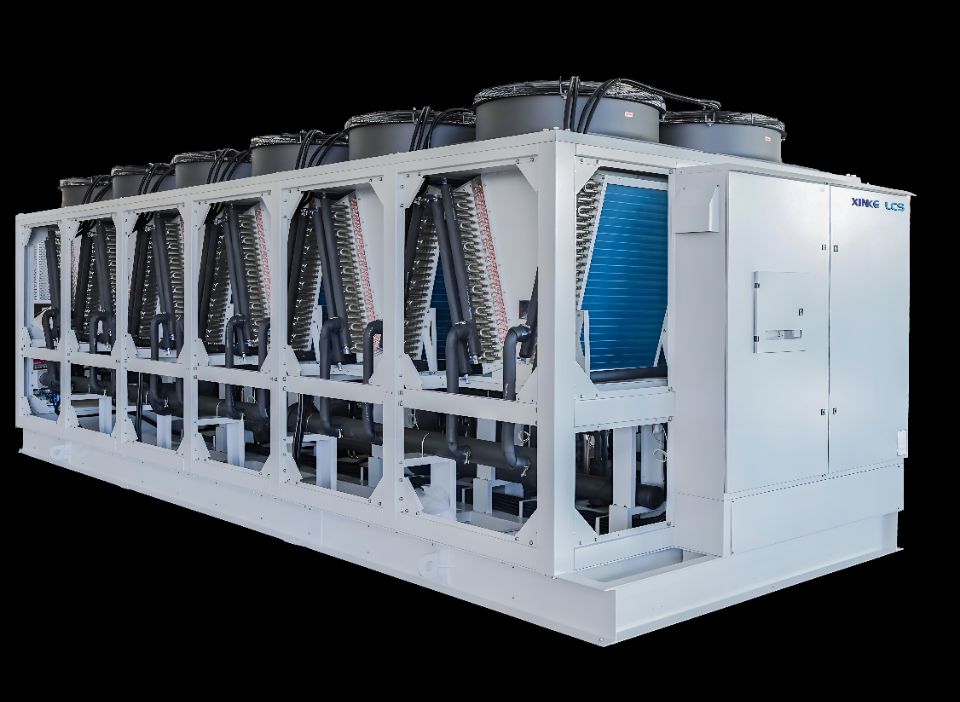
This is why more projects are paying attention to the data center integrated cooling station as a practical infrastructure solution. Instead of building cooling capacity through scattered on-site assembly and separate subsystem coordination, an integrated cooling station brings core cooling components together in one engineered platform. It offers a more organized way to support high-density IT environments while simplifying installation and operational management.
A data center integrated cooling station is designed to combine cooling generation, circulation, and system control into a compact and coordinated unit. By integrating multiple functional sections into one platform, it helps reduce the complexity that often comes with traditional cooling system construction. For project teams, this means fewer disconnected processes during installation and a clearer path from equipment delivery to system commissioning.
One of the main advantages of this approach is efficiency in project execution. Conventional cooling infrastructure often requires a long coordination process between design, equipment sourcing, site preparation, piping, electrical work, and control integration. An integrated cooling station shortens that process by concentrating much of the engineering work into a prefabricated solution. This can help reduce on-site workload, improve delivery consistency, and support faster project schedules.
The value becomes even more visible in large-scale or fast-track deployments. Data centers today are expected to go online faster while maintaining higher standards for uptime and energy performance. A cooling system that arrives in a more complete and structured form can support those goals more effectively than a fragmented installation model. For owners and contractors, that often means lower coordination risk and better control over project timelines.
Energy performance is another major reason integrated cooling platforms are attracting attention. Cooling systems play a direct role in data center PUE and overall operating cost. When the cooling station is designed as a unified system rather than a collection of separate components, there is more opportunity to optimize flow paths, equipment matching, and operating logic. That helps improve the overall efficiency of the cooling process and supports more stable performance under varying load conditions.
For modern facilities, this is especially important. As computing infrastructure becomes denser, heat loads become more concentrated and cooling demand becomes more critical. A data center integrated cooling station provides a stronger foundation for handling these conditions in a more controlled way. It supports not only cooling capacity, but also the predictability that operators need when managing high-value digital infrastructure.
Another strength of this type of solution is standardization. In multi-site deployment projects, repeatable infrastructure design can simplify planning and improve consistency across locations. A more standardized cooling platform helps reduce variation between projects and makes future expansion easier to manage. For operators building regional capacity or phased deployments, this can be an important operational advantage.
It is also a practical fit for projects where site conditions are limited. In some cases, available installation space, local labor coordination, or construction schedules make conventional cooling plant building less attractive. An integrated station can provide a more compact and deployment-friendly alternative, especially when speed, system clarity, and engineering coordination are priorities.
The growing use of data center integrated cooling station solutions reflects a broader shift in the industry. Operators are no longer looking only at cooling capacity in isolation. They are evaluating how cooling infrastructure affects total project delivery, energy efficiency, and long-term maintainability. In that context, integrated systems offer a more complete answer to the needs of modern data center development.
A well-designed integrated cooling station is not just a piece of equipment placed next to a facility. It is part of the data center’s efficiency strategy, helping improve thermal management, reduce construction complexity, and support better long-term operating performance.
If you are planning a new data center project or upgrading cooling capacity for a high-density facility, XINKE LCS can provide an integrated cooling station solution based on your load requirements, site conditions, and energy efficiency targets.